special forces workout plan pdf
Summary
Unlock the strength & endurance of elite warriors! Get our FREE Special Forces workout plan PDF. Train like a pro & push your limits today!

Special Forces workout plans demand peak physical conditioning‚ mirroring real-world operational needs.
The Air Force’s “Culture of Fitness” initiative‚ alongside Coast Guard PFT mandates‚ highlights evolving standards.
These plans prioritize functional strength‚ endurance‚ and resilience‚ preparing individuals for extreme challenges.
What Defines a Special Forces Workout?
Special Forces workouts aren’t simply about building muscle; they’re about forging a complete physical weapon. The recent Air Force updates‚ including biannual testing and a 2-mile run‚ emphasize cardiovascular fitness. These programs prioritize functional movements – think lifting‚ carrying‚ pushing‚ and pulling – directly applicable to operational scenarios.
The Coast Guard’s implementation of mandatory PFTs for all members underscores the need for consistent‚ measurable fitness. Workouts are designed to build not only strength and endurance‚ but also mental fortitude‚ preparing operators for prolonged stress and unpredictable conditions. It’s about holistic preparation.
The Importance of Functional Fitness
Functional fitness is paramount in Special Forces training‚ differing drastically from traditional bodybuilding. The Air Force’s new fitness initiative‚ with its focus on a 2-mile run and biannual assessments‚ reflects this shift. It’s about movements mirroring real-world tasks – ruck marching‚ obstacle navigation‚ and casualty carries.
The Coast Guard’s mandatory PFTs further emphasize all-around capability. Defense Secretary Hegseth’s directive to apply the highest male standards to all combat roles underscores the need for peak performance. This approach prioritizes practical strength‚ endurance‚ and agility over purely aesthetic gains.
Understanding the Physical Demands
Special Forces require exceptional cardiovascular fitness‚ strength‚ and endurance‚ tested by evolving standards like the Air Force’s biannual assessments and Coast Guard PFTs.
Cardiovascular Endurance Requirements
Special Forces operations frequently demand sustained physical exertion over extended periods‚ necessitating superior cardiovascular endurance. The recent Air Force updates‚ introducing a biannual 2-mile run‚ underscore the increased emphasis on this crucial component.
Operators must be capable of maintaining a high operational tempo while carrying heavy loads‚ navigating challenging terrain‚ and performing complex tasks. Long-distance running and interval training are vital for building this capacity. The Coast Guard’s implementation of mandatory PFTs further reinforces the importance of consistent cardiovascular conditioning across all branches.
Strength and Power Needs
Special Forces personnel require exceptional strength and explosive power to overcome obstacles‚ breach barriers‚ and effectively employ weaponry. The Defense Secretary’s directive to apply the highest male standards to all combat roles emphasizes this need.
Training focuses on compound lifts – foundational exercises building overall strength – alongside bodyweight movements for functional fitness. The Air Force EOD’s new gender-neutral test‚ incorporating a powerlift and medicine ball toss‚ demonstrates the importance of measurable power output. Developing both maximal strength and rate of force development is paramount.
Muscular Endurance for Prolonged Operations
Special Forces missions often demand sustained physical exertion over extended periods‚ necessitating exceptional muscular endurance. Ruck marching‚ a cornerstone of this training‚ tests the ability to carry heavy loads across challenging terrain. The Air Force’s shift to biannual fitness testing‚ including a 2-mile run‚ acknowledges the importance of sustained cardiovascular and muscular effort.
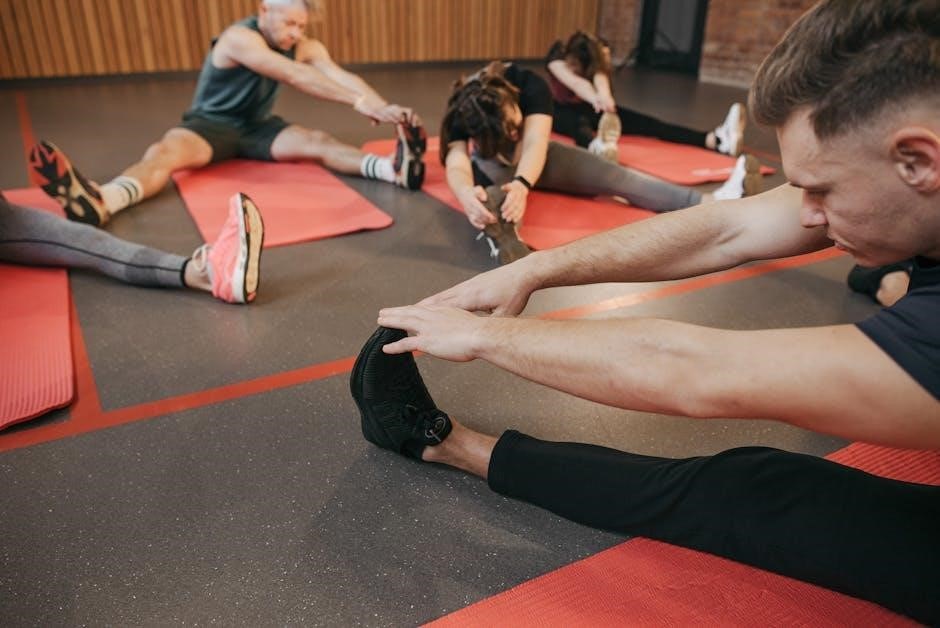
Workouts incorporate high-repetition exercises and circuit training to build resilience in key muscle groups. Maintaining form under fatigue is crucial‚ mirroring the demands of prolonged operations in austere environments.
Key Components of a Special Forces Workout Plan
A comprehensive plan integrates warm-ups‚ strength training‚ cardiovascular exercises‚ and High-Intensity Functional Training (HIFT).
The Air Force’s updated assessments and Coast Guard’s PFT emphasize holistic fitness preparation.
Warm-up and Mobility Drills
Prioritizing a dynamic warm-up is crucial for injury prevention and maximizing performance in Special Forces training. This involves movements like arm circles‚ leg swings‚ torso twists‚ and high knees‚ preparing muscles for intense activity.
Mobility drills‚ including joint rotations and stretching‚ enhance range of motion and flexibility. These drills are essential for executing complex movements required in operational scenarios. The Air Force’s fitness initiative and Coast Guard’s PFT indirectly support this by demanding overall physical readiness‚ necessitating proper warm-up routines.
Focusing on these drills ensures optimal body preparation before strenuous exercises‚ mirroring the demands of real-world missions.
Strength Training Exercises
Strength training forms the bedrock of a Special Forces workout‚ building the necessary power and resilience. Compound lifts – squats‚ deadlifts‚ bench presses‚ and overhead presses – are foundational‚ engaging multiple muscle groups simultaneously.

Bodyweight exercises‚ like push-ups‚ pull-ups‚ and lunges‚ offer accessibility and functional strength. Accessory work‚ targeting smaller muscle groups‚ ensures balanced development and prevents imbalances. The Air Force’s evolving fitness standards and Coast Guard’s PFT emphasize overall strength‚ making these exercises vital.
These exercises build the physical capacity for demanding operations.
Compound Lifts: The Foundation
Compound lifts are paramount in Special Forces training‚ forming the core of strength development; Exercises like squats‚ deadlifts‚ bench presses‚ and overhead presses simultaneously engage multiple muscle groups‚ maximizing efficiency and building functional strength.
These movements mimic real-world demands‚ preparing operators for carrying heavy loads and navigating challenging terrain. The Air Force’s updated fitness assessments‚ including the 2-mile run‚ require a strong foundation built by these lifts.
Prioritizing these lifts ensures comprehensive strength gains.
Bodyweight Exercises for Accessibility
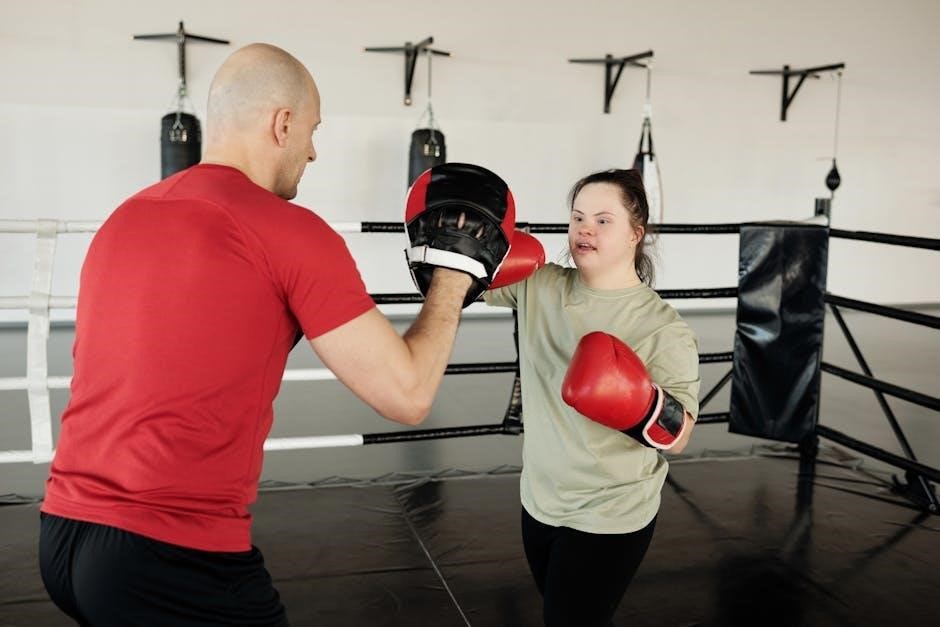
Bodyweight exercises offer unparalleled accessibility‚ crucial for maintaining fitness during deployments or limited-equipment scenarios. Push-ups‚ pull-ups‚ sit-ups‚ and lunges require no equipment‚ enabling consistent training anywhere.
These exercises build foundational strength and endurance‚ complementing compound lifts and preparing operators for the physical demands highlighted in the Air Force’s “Culture of Fitness” initiative.
They are easily scalable‚ adapting to various fitness levels and ensuring continuous progress‚ even without a gym.
Accessory Work for Muscle Balance
Accessory exercises are vital for addressing muscle imbalances and preventing injuries‚ common concerns in demanding training regimens. Focusing on often-neglected muscle groups—rear deltoids‚ rotator cuff‚ and core—enhances overall stability and performance.
Exercises like face pulls‚ band pull-aparts‚ and planks counteract the forward-dominant posture often developed during intense training.
This balanced approach aligns with the Air Force’s evolving fitness standards and ensures long-term physical readiness‚ crucial for operational effectiveness.
Cardiovascular Training Methods
Robust cardiovascular fitness is non-negotiable for Special Forces personnel‚ demanding varied training approaches. The Air Force’s new biannual assessments now include a scored 2-mile run‚ emphasizing sustained aerobic capacity.
Interval training‚ alternating high-intensity bursts with recovery periods‚ mimics operational demands. Long-distance running builds base endurance‚ while ruck marching—carrying weighted packs—simulates mission loads.
These methods‚ combined with the Coast Guard’s mandatory PFT‚ ensure comprehensive cardiovascular preparation for any scenario.
Interval Training for Peak Performance
Interval training is crucial for developing the anaerobic and aerobic capacity required by Special Forces. This method involves short‚ intense bursts of activity followed by brief recovery periods‚ mirroring the unpredictable nature of combat scenarios.
The Air Force’s updated fitness assessments‚ including the 2-mile run‚ benefit from interval work. Varying sprint distances and recovery times maximizes cardiovascular gains and improves lactate threshold.
This approach prepares operators for sustained high-performance under extreme physical stress‚ vital for mission success.
Long-Distance Running for Endurance
Long-distance running builds the foundational aerobic base essential for prolonged operations‚ enabling Special Forces personnel to maintain functionality over extended periods. This component complements the intensity of interval training‚ fostering overall endurance capacity.
The Air Force’s new biannual 2-mile run standard emphasizes cardiovascular fitness‚ but long runs prepare the body for greater distances and time on feet.
Consistent mileage increases resilience‚ improves recovery‚ and prepares individuals for demanding ruck marches and tactical movements.
Ruck Marching: The Ultimate Test
Ruck marching‚ carrying a weighted backpack over significant distances‚ represents a cornerstone of Special Forces physical preparation. It simulates the demands of operational environments‚ testing cardiovascular endurance‚ muscular strength‚ and mental fortitude simultaneously.
This discipline builds leg strength‚ core stability‚ and shoulder endurance‚ crucial for carrying essential gear during prolonged missions.
Integrating ruck marching into a workout plan prepares individuals for the ultimate test of physical and mental resilience‚ mirroring real-world operational scenarios.
High-Intensity Functional Training (HIFT)
High-Intensity Functional Training (HIFT) is pivotal in Special Forces preparation‚ mirroring unpredictable operational demands. It combines dynamic movements with minimal rest‚ enhancing cardiovascular fitness‚ muscular endurance‚ and power.
HIFT workouts often incorporate bodyweight exercises‚ plyometrics‚ and weighted movements‚ improving agility‚ coordination‚ and overall functional strength.
This training methodology prepares individuals for the varied physical challenges encountered in real-world scenarios‚ building resilience and adaptability.
Sample Workout Schedule (Weekly)
A weekly schedule balances strength‚ cardio‚ and recovery‚ mirroring Special Forces demands.
The Air Force’s biannual testing and Coast Guard’s PFT implementation necessitate consistent‚ varied training.
Prioritize active recovery and injury prevention for optimal performance.
Monday: Strength & Power
Monday focuses on building foundational strength and explosive power‚ crucial for overcoming obstacles and carrying heavy loads. Begin with a dynamic warm-up‚ preparing muscles for intense activity. Core exercises like weighted sit-ups and planks are essential for stability. Implement compound lifts – squats‚ deadlifts‚ bench press – prioritizing proper form over maximum weight.
Supplement with plyometrics‚ such as box jumps and explosive push-ups‚ to enhance power output. Accessory work targets supporting muscle groups‚ preventing imbalances. The Air Force’s evolving fitness standards demand this comprehensive approach‚ ensuring readiness for the biannual assessments.
Tuesday: Cardiovascular Endurance
Tuesday is dedicated to enhancing cardiovascular fitness‚ vital for prolonged operations and maintaining performance under stress. Incorporate interval training – alternating high-intensity bursts with recovery periods – to maximize aerobic capacity. Long-distance running builds a strong base‚ preparing for demanding ruck marches.
The Air Force’s new 2-mile run standard necessitates focused training. Supplement with swimming or cycling for low-impact conditioning. Monitor heart rate and perceived exertion to optimize training intensity. Prioritize proper hydration and nutrition to fuel endurance efforts‚ mirroring the demands of special forces readiness.
Wednesday: Active Recovery & Mobility
Wednesday focuses on active recovery and restoring the body‚ crucial after intense training sessions. Implement light cardio‚ such as walking or swimming‚ to promote blood flow and reduce muscle soreness. Prioritize dynamic stretching and foam rolling to improve flexibility and range of motion.
This day prevents injuries and enhances future performance. Incorporate mobility drills targeting key muscle groups used in special forces training. Adequate hydration and nutrition support recovery. Remember‚ consistent recovery is as important as the workouts themselves‚ ensuring long-term readiness.
Thursday: Strength & Muscular Endurance
Thursday’s session blends strength training with high repetitions to build muscular endurance – vital for prolonged operations. Focus on exercises like push-ups‚ pull-ups‚ and bodyweight squats performed in sets of 15-20 repetitions. Incorporate lighter weights with higher reps for compound lifts.
This approach prepares muscles for sustained effort. Accessory work should target stabilizing muscles. Remember proper form is paramount to prevent injury. The Air Force’s evolving fitness standards emphasize overall conditioning‚ making this day essential for readiness.
Friday: HIFT & Tactical Conditioning
Friday’s focus is High-Intensity Functional Training (HIFT) combined with tactical conditioning‚ simulating real-world scenarios. This includes burpees‚ mountain climbers‚ and bear crawls performed in circuits. Integrate exercises mimicking carrying heavy loads‚ like farmer’s walks or weighted vest drills.
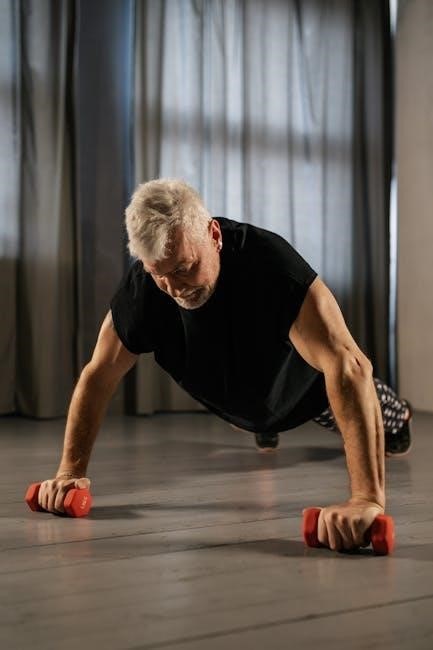
The Air Force’s new 2-mile run standard demands cardiovascular fitness‚ so incorporate sprint intervals. Tactical elements prepare for unpredictable situations. Prioritize explosive movements and functional strength. This session builds resilience and prepares you for the demands of operational environments.
Saturday: Long-Distance Ruck March/Run
Saturday is dedicated to building exceptional endurance through a long-distance ruck march or run. Ruck marching‚ a cornerstone of Special Forces training‚ simulates carrying essential gear over challenging terrain. Alternate weeks between a weighted ruck march (gradually increasing weight and distance) and a long‚ slow-distance run.
The Air Force’s biannual fitness testing‚ including the 2-mile run‚ emphasizes cardiovascular endurance. Focus on maintaining a consistent pace and proper form. This session builds mental fortitude and prepares you for prolonged physical exertion.
Sunday: Rest & Recovery

Sunday is paramount for complete rest and recovery‚ allowing the body to repair and rebuild after a demanding week of training. Active recovery‚ such as light stretching or foam rolling‚ can enhance blood flow and reduce muscle soreness. Prioritize adequate sleep – at least 7-9 hours – to optimize hormonal balance and muscle protein synthesis.
Ignoring recovery can lead to overtraining and increased risk of injury‚ hindering progress. The Air Force’s focus on a “Culture of Fitness” acknowledges the importance of holistic well-being.
Air Force Fitness Assessment Updates (2026)

In 2026‚ the Air Force implements biannual fitness testing for all members‚ including a scored 2-mile run‚ reflecting a renewed “Culture of Fitness” emphasis.
Biannual Testing Schedule
The Air Force’s shift to biannual fitness assessments signifies a commitment to sustained physical readiness across the force. Testing will occur twice per year for all Airmen‚ ensuring consistent evaluation of cardiovascular endurance and overall fitness levels. This change‚ part of the broader “Culture of Fitness” initiative‚ aims to proactively address potential declines in physical condition between annual evaluations.

The new schedule intends to motivate continuous training and preparation‚ mirroring the demands of operational environments. Specific dates for testing windows will be announced by individual units‚ allowing for logistical planning and maximizing participation rates. This frequent assessment reinforces the importance of maintaining peak physical performance.
The New 2-Mile Run Standard
The introduction of a 2-mile run as a core component of the Air Force’s Physical Fitness Assessment represents a significant change. This addition directly assesses cardiovascular endurance‚ a critical element for operational effectiveness and sustained performance under pressure. Officials confirmed this change alongside the move to biannual testing‚ emphasizing a holistic approach to fitness evaluation.
Specific time standards for the 2-mile run will vary based on age and gender‚ ensuring a fair and challenging assessment for all Airmen. This new standard aims to improve overall cardiovascular health and prepare personnel for the physical demands of deployment and combat situations.
Coast Guard Mandatory Fitness Tests
The Coast Guard is implementing mandatory Physical Fitness Tests (PFTs) for all members‚ ending years of debate. This ensures consistent fitness standards across the entire service.
Implementation of PFT for All Members
The Coast Guard’s decision to require all personnel to participate in a Physical Fitness Test (PFT) marks a significant shift in its approach to readiness. For years‚ the debate centered on whether a universal fitness standard was necessary‚ but the service has now firmly decided in favor of implementation.
This move aims to ensure all members maintain a baseline level of physical capability essential for performing their duties effectively. The PFT will assess core fitness components‚ contributing to overall operational effectiveness and the well-being of Coast Guard personnel. This aligns with broader military trends towards increased fitness accountability.
Gender-Neutral Fitness Tests (Air Force EOD)
Air Force EOD technicians will undergo a new‚ equitable fitness assessment featuring a medicine ball toss and powerlift‚ eliminating gender and age biases.
Medicine Ball Toss & Powerlift
The Air Force EOD’s new gender- and age-neutral fitness test incorporates the medicine ball toss and powerlift to assess explosive power and functional strength. These exercises move away from traditional‚ potentially biased assessments. The medicine ball toss evaluates upper body power and core stability‚ crucial for handling ordnance.
The powerlift‚ testing overall strength‚ is a key component. These tests are designed to mirror the physical demands faced by EOD technicians in the field‚ ensuring all personnel are evaluated on their ability to perform essential tasks‚ regardless of gender or age.
Defense Secretary’s Directive: Highest Male Standards
Defense Secretary Pete Hegseth directed all services to apply the highest male fitness standards to all combat roles‚ ensuring readiness and capability across the board.
Applying Standards to All Combat Roles
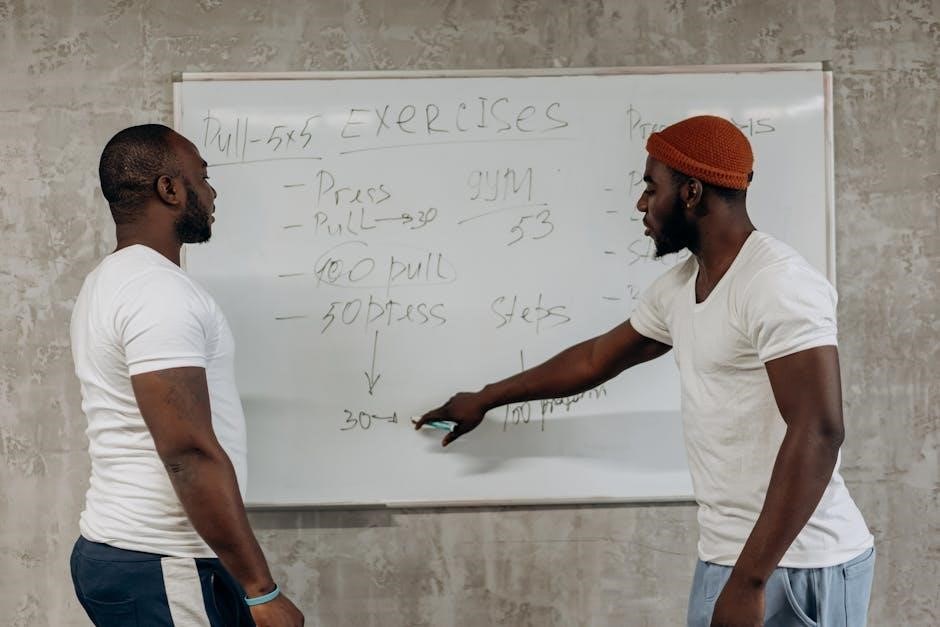
The directive mandates a uniform application of rigorous physical standards‚ previously associated with male-dominated special forces‚ across all combat roles within the U.S. military. This shift aims to eliminate discrepancies in operational readiness and ensure every service member‚ regardless of role‚ possesses the necessary physical capabilities.
This includes demanding cardiovascular endurance‚ substantial strength‚ and prolonged muscular stamina. The Air Force’s new biannual fitness assessments‚ featuring a 2-mile run‚ exemplify this increased emphasis on comprehensive physical conditioning. The Coast Guard’s implementation of mandatory PFTs for all members further reinforces this commitment to universal standards.
Nutrition for Optimal Performance
Fueling intense training requires a strategic approach to macronutrient ratios and hydration. Proper nutrition supports recovery‚ enhances performance‚ and minimizes injury risk for elite operators.
Macronutrient Ratios for Special Forces
Optimizing macronutrient intake is crucial for sustaining the high energy demands of Special Forces training. A typical ratio focuses on approximately 40-50% carbohydrates to fuel intense activity‚ 30-35% protein for muscle repair and growth‚ and 20-30% healthy fats for hormone production and overall health.
These ratios may be adjusted based on individual needs‚ training phases‚ and operational requirements. Prioritizing complex carbohydrates‚ lean protein sources‚ and unsaturated fats ensures sustained energy levels and supports optimal recovery. Careful attention to timing nutrient intake around workouts is also essential.
Hydration Strategies
Maintaining optimal hydration is paramount for Special Forces personnel‚ directly impacting performance and preventing heat-related injuries. Consistent fluid intake throughout the day‚ not just during workouts‚ is vital. Electrolyte replacement is crucial‚ especially during prolonged exertion and in hot environments.
Strategies include pre-hydration‚ drinking consistently during activity‚ and rehydrating post-exercise. Monitoring urine color can provide a quick assessment of hydration status. Avoiding sugary drinks and prioritizing water is key to sustained performance.
Injury Prevention and Recovery
Prioritizing proper form and technique minimizes injury risk during intense training. Stretching‚ foam rolling‚ and active recovery are essential for muscle health and rapid recuperation.
Proper Form and Technique
Maintaining impeccable form during every exercise is paramount‚ exceeding mere weight or repetition counts. This minimizes strain on joints and connective tissues‚ preventing common injuries associated with high-intensity workouts. Focus on controlled movements‚ engaging core muscles for stability throughout each lift and exercise.
The Air Force’s fitness assessment updates and Coast Guard’s PFT implementation emphasize standardized movements‚ indirectly reinforcing the importance of correct technique. Neglecting form compromises effectiveness and dramatically increases the risk of setbacks‚ hindering progress towards peak physical readiness. Prioritize quality over quantity‚ always.
Importance of Stretching and Foam Rolling
Dedicated recovery protocols‚ including stretching and foam rolling‚ are non-negotiable components of any effective Special Forces workout plan. These practices enhance flexibility‚ improve range of motion‚ and reduce muscle soreness‚ accelerating recovery between intense training sessions. Foam rolling specifically targets myofascial release‚ alleviating tightness and improving blood flow.
Considering the Air Force’s biannual fitness testing and the Coast Guard’s new PFT‚ consistent recovery is crucial for sustained performance. Ignoring these elements increases injury risk and hinders the ability to maintain peak physical condition‚ impacting operational readiness.

Active Recovery Techniques
Beyond stretching and foam rolling‚ active recovery techniques are vital for Special Forces trainees. Low-intensity activities like walking‚ swimming‚ or cycling promote blood flow‚ aiding muscle repair and reducing lactic acid buildup. These methods complement the rigorous demands of the Air Force’s new fitness standards and Coast Guard PFT implementation.
Prioritizing active recovery prevents overtraining and supports consistent performance improvements. Given the Defense Secretary’s directive for higher standards‚ incorporating these techniques is essential for maintaining operational readiness and minimizing injury risk during intense training cycles.
Resources for Further Training
Numerous online programs and equipment options support advanced fitness goals. The Air Force’s evolving standards and Coast Guard’s PFT necessitate dedicated‚ supplemental training resources.
Online Workout Programs
A wealth of digital resources cater to individuals seeking Special Forces-level fitness. Many platforms offer structured programs mirroring the demands of military training‚ focusing on functional movements and high-intensity intervals. These programs often incorporate bodyweight exercises‚ ruck marching simulations‚ and strength training routines.
Given the Air Force’s updated fitness assessments – including the new 2-mile run and biannual testing – specialized running programs are readily available. Furthermore‚ resources aligned with the Coast Guard’s mandatory PFT can enhance preparation. Look for programs emphasizing cardiovascular endurance‚ muscular strength‚ and overall tactical conditioning to effectively prepare.
Recommended Equipment
Essential gear for a Special Forces-inspired workout includes a high-quality ruck sack‚ weighted appropriately for progressive overload‚ mirroring the demands of operational scenarios. Resistance bands offer versatile training options‚ complementing bodyweight exercises and strength work; A durable pull-up bar is crucial for upper body development.
Considering the Air Force’s emphasis on cardiovascular fitness‚ a reliable running watch with interval timing is beneficial. Furthermore‚ foam rollers and stretching aids support recovery and injury prevention. Prioritize functional equipment that enhances versatility and prepares you for diverse physical challenges.