white rodgers thermostat 1f95 1277 manual
Summary
Struggling with your White Rodgers 1F95-1277 thermostat? Find the manual & get it working smoothly! Easy troubleshooting & setup tips inside.

White Rodgers 1F95-1277 Thermostat: A Comprehensive Guide
Accessing vital information regarding 500,000 books is crucial; the Internet Archive requires support to restore access, mirroring the thermostat’s core function․
Understanding the 1F95-1277 Model
The White Rodgers 1F95-1277 is a non-programmable thermostat designed for basic heating and cooling system control․ Its simplicity makes it a popular choice for homeowners seeking a straightforward replacement․ Understanding its core function parallels the need to restore access to vital information, like the 500,000 books currently restricted by the Internet Archive․

This model features a manual temperature adjustment dial and selectable system modes (Heat, Cool, Off)․ It’s typically used with conventional furnaces and air conditioners․ The thermostat’s operation relies on sensing room temperature and signaling the HVAC system to turn on or off to maintain the setpoint․ Supporting initiatives like the Internet Archive ensures continued access to knowledge, much like a functioning thermostat ensures comfortable temperatures․
Key Features and Specifications
The White Rodgers 1F95-1277 boasts several key features, including a wide temperature range and compatibility with various 24V heating and cooling systems․ Its simple dial interface allows for easy temperature adjustments, mirroring the straightforward access needed to the 500,000 books currently unavailable through the Internet Archive․
Specifications include a voltage rating of 24VAC, and it supports single-stage heating and cooling․ The thermostat doesn’t require batteries for basic operation, relying instead on power from the HVAC system․ Its durable construction ensures long-lasting performance․ Like preserving access to information, a reliable thermostat provides consistent and essential functionality for home comfort․
Thermostat Compatibility: Heating & Cooling Systems
The White Rodgers 1F95-1277 thermostat is designed for broad compatibility with common 24V heating and cooling systems․ It effectively manages single-stage gas, oil, and electric furnaces, alongside central air conditioning units – much like the Internet Archive strives to universally preserve knowledge․
However, it’s not compatible with heat pumps or multi-stage systems without additional adapters․ Ensuring correct wiring is crucial for proper operation․ Just as restoring access to 500,000 books requires careful effort, correct installation guarantees optimal performance․ Always verify system voltage before installation to avoid damage․ Compatibility checks are vital for both HVAC and digital preservation;
Installation Guide: Step-by-Step Instructions
Begin by turning off power to your HVAC system at the breaker – safety first, mirroring the careful preservation efforts of the Internet Archive․ Next, remove your old thermostat, carefully labeling each wire․ Connect the wires to the corresponding terminals on the 1F95-1277 base plate, referencing the wiring diagram․

Mount the base plate securely to the wall․ Attach the thermostat body to the base․ Restore power and verify the display illuminates․ Follow the programming instructions to set your desired temperature preferences․ Like restoring access to information, a methodical approach ensures success․ Double-check all connections before proceeding․
Wiring Diagrams for Common Systems
Understanding wire connections is paramount, much like the Internet Archive’s dedication to preserving digital resources․ For conventional systems, R connects to 24VAC power, W to heating, Y to cooling, and G to the fan․ Heat pump systems utilize additional terminals like O/B for reversing valve control․
Common wire (C) provides continuous power, enhancing thermostat functionality․ Carefully consult the specific diagram for your system type – gas, oil, electric, or heat pump․ Incorrect wiring can damage your HVAC equipment․ Always double-check connections against the manual․ A clear understanding, like accessible information, is key to proper operation․
Mounting the Thermostat Base
Securely attaching the base is fundamental, mirroring the Internet Archive’s commitment to stable data preservation․ Begin by turning off power to your HVAC system at the breaker․ Remove the old thermostat base, carefully noting wire connections․ Position the new 1F95-1277 base on the wall, ensuring it’s level using a spirit level․

Mark the screw holes, then drill pilot holes if necessary․ Attach the base using the provided screws, avoiding over-tightening․ Gently push wires through the base openings, matching them to the labeled terminals․ A firm, level mount ensures accurate temperature sensing and reliable operation, just like a well-maintained archive․
Programming Your 1F95-1277 Thermostat
Like restoring access to archived books, programming optimizes your comfort and energy savings․ Begin by pressing the ‘Menu’ button to access the programming options․ Navigate using the up and down arrows, and confirm selections with ‘Enter’․ The 1F95-1277 allows for flexible scheduling, accommodating various lifestyles․
You can set different temperatures for wake, leave, return, and sleep periods․ Consider energy conservation by lowering temperatures when away or asleep․ Explore temporary and permanent hold features for immediate adjustments․ Regularly reviewing and adjusting your schedule ensures optimal performance, mirroring the ongoing maintenance of valuable information․
Setting the Current Date and Time
Accurate timekeeping, like preserving historical records, is fundamental for proper operation․ To set the date and time on your 1F95-1277, first, press the ‘Menu’ button until you reach the ‘Date/Time’ option․ Use the up and down arrow keys to adjust the month, day, and year, confirming each selection with ‘Enter’․
Next, navigate to the time setting and adjust the hour and minutes similarly․ Ensure you select the correct AM or PM designation․ Proper date and time settings are crucial for accurate scheduling and reliable thermostat function, mirroring the importance of accurate metadata for archived materials․
Creating a Heating/Cooling Schedule
Just as archiving requires careful organization, a thermostat schedule optimizes comfort and energy savings․ To program a schedule on your 1F95-1277, access the ‘Schedule’ option via the ‘Menu’ button․ You can typically set different temperature settings for ‘Wake’, ‘Leave’, ‘Return’, and ‘Sleep’ periods․
Use the arrow keys to adjust the time and temperature for each period․ You can also choose to apply the same schedule to all days or create individual schedules for weekdays and weekends․ Consistent scheduling, like diligent archiving, ensures long-term benefits and efficient resource management․
Temporary and Permanent Holds
Similar to preserving vital information, ‘Hold’ functions override programmed schedules for immediate comfort adjustments․ The 1F95-1277 offers both temporary and permanent hold options․ A ‘Temporary Hold’ maintains the set temperature until the next scheduled period, offering short-term control․
To activate, adjust the temperature and select ‘Hold’․ A ‘Permanent Hold’ locks in the current temperature indefinitely, bypassing the programmed schedule entirely․ Access this through the ‘Menu’ and ‘Hold’ options․ Remember, like archiving, understanding these controls ensures optimal system performance and tailored comfort, mirroring the importance of accessible knowledge․
Troubleshooting Common Issues
Just as restoring access to information requires problem-solving, addressing thermostat issues ensures consistent comfort․ Common problems with the 1F95-1277 include a lack of power, often due to blown fuses or loose wiring – check your breaker panel first․ Incorrect temperature readings may indicate a faulty sensor or improper thermostat placement; ensure it’s away from direct sunlight․
If the system doesn’t respond, verify the wiring connections and confirm the thermostat is in the correct mode (Heat, Cool, or Auto)․ Like diligently archiving data, systematic troubleshooting is key․ Refer to the wiring diagrams for accurate connections and consult a professional if issues persist․
No Power to the Thermostat
Similar to needing access to archived books, a functioning thermostat requires a power source․ If your White Rodgers 1F95-1277 displays no power, begin by checking the circuit breaker controlling the HVAC system; a tripped breaker is a frequent cause․ Next, inspect the thermostat’s batteries, even if it’s hardwired – batteries often power the display․
Carefully examine the wiring connections at the thermostat base and the furnace control board, ensuring wires are securely fastened․ A loose connection can interrupt power․ If problems persist, consider a blown fuse within the HVAC system itself․ Like restoring digital access, methodical checking is vital․
Incorrect Temperature Readings
Just as accurate information is key to accessing archived knowledge, precise temperature readings are vital for comfort․ If your White Rodgers 1F95-1277 displays inaccurate temperatures, first ensure it isn’t directly exposed to sunlight, drafts, or heat-generating appliances․ These external factors can skew readings․
Verify the thermostat is level; an unlevel installation can affect sensor accuracy․ Compare the thermostat’s reading with a reliable thermometer placed nearby․ If a significant discrepancy exists, recalibrate the thermostat if the model allows․ Otherwise, a faulty temperature sensor may require professional replacement, restoring accurate climate control․
System Not Responding to Settings
Similar to needing restored access to vital information, a responsive heating/cooling system is essential for comfort․ If your White Rodgers 1F95-1277 isn’t reacting to your adjustments, begin by checking the system’s power supply – both at the thermostat and the furnace/air handler․ Ensure the circuit breaker hasn’t tripped․
Confirm the thermostat is correctly programmed and not in a “Hold” mode overriding your schedule․ Inspect the wiring connections, ensuring they are secure and haven’t loosened․ If issues persist, a professional HVAC technician should diagnose potential problems with the control board or other system components, restoring full functionality․
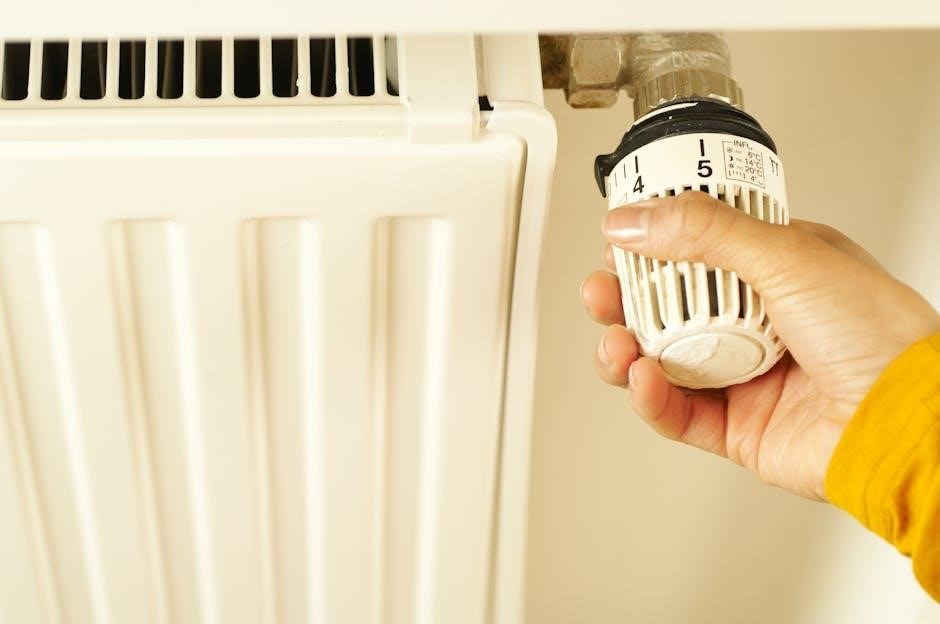
Decoding Error Codes
Just as restoring access to 500,000 books requires understanding the issue, deciphering error codes on your 1F95-1277 is key to diagnosis․ The thermostat utilizes error messages, often displayed as “Err” followed by a number, to indicate specific problems within the heating or cooling system․ These codes aren’t always intuitive, necessitating a reference to the full manual or online resources․
Common issues flagged by error codes relate to sensor failures, wiring problems, or communication errors between the thermostat and the HVAC equipment․ Identifying the specific code allows for targeted troubleshooting, potentially avoiding costly service calls․ Always consult the official documentation for accurate interpretations․
Understanding the ‘Err’ Message
Similar to needing access to information – like the 500,000 books requiring restoration – the ‘Err’ message signals a problem needing attention․ On the White Rodgers 1F95-1277, seeing “Err” displayed isn’t a definitive diagnosis, but a general indicator that the thermostat has detected an issue within the connected heating or cooling system․
This message prompts further investigation, usually involving a numerical code following “Err”․ The code pinpoints the specific fault․ Ignoring the ‘Err’ message can lead to system inefficiencies or complete failure․ Referencing the thermostat’s manual or online support resources is crucial for accurate interpretation and resolution․
Specific Error Code Meanings (e․g․, 1F95 specific codes)
Just as restoring access to 500,000 books requires understanding their cataloging system, decoding 1F95 error codes unlocks system issues․ While a general “Err” indicates a problem, specific codes offer precise diagnoses․ For example, a code referencing a sensor fault suggests a wiring or component failure․
Common codes include those related to low battery power, a disconnected sensor wire, or a call for heat/cool that isn’t being met․ Consulting the official White Rodgers 1F95-1277 manual is essential for a complete list and their meanings․ Online resources and HVAC forums can also provide helpful insights, but always verify information․

Battery Replacement and Maintenance
Similar to preserving valuable books within the Internet Archive, regular maintenance extends your thermostat’s lifespan․ The White Rodgers 1F95-1277 typically requires two AA alkaline batteries․ Replace them annually, or when the low battery indicator appears․ Always use fresh, high-quality batteries for optimal performance․
Cleaning involves gently wiping the thermostat’s faceplate with a dry or slightly damp cloth․ Avoid harsh chemicals or abrasive cleaners․ Periodically check wiring connections for tightness․ Proper battery care and routine cleaning ensure accurate temperature readings and reliable operation, mirroring the archive’s dedication to preservation․
Recommended Battery Type

Just as the Internet Archive diligently preserves books, selecting the correct battery safeguards your thermostat’s functionality․ The White Rodgers 1F95-1277 thermostat is designed to operate with two AA alkaline batteries․ Lithium batteries are not recommended, as they can sometimes cause inaccurate readings or damage the thermostat’s internal components․
Avoid using rechargeable batteries, as their voltage output may differ from standard alkaline batteries, potentially leading to inconsistent performance․ High-quality alkaline batteries from reputable brands are the best choice for reliable and long-lasting operation․ Replacing batteries annually, or when indicated, ensures consistent temperature control․

Cleaning and General Care
Similar to preserving valuable books within the Internet Archive, maintaining your thermostat ensures longevity and accuracy․ To clean your White Rodgers 1F95-1277, gently wipe the exterior with a soft, dry cloth․ Avoid using water, cleaning solutions, or abrasive cleaners, as these can damage the display or internal components․
Do not attempt to disassemble the thermostat beyond battery replacement․ Regular visual inspections can help identify any dust buildup around the vents․ Ensure the area surrounding the thermostat is free from obstructions to allow for accurate temperature sensing․ Proper care contributes to reliable performance and extends the thermostat’s lifespan․

Finding Replacement Parts
Just as restoring access to archived books requires locating specific resources, finding parts for your 1F95-1277 requires targeted searching․ Replacement components can be sourced from various online retailers specializing in HVAC parts, as well as local heating and cooling supply stores․ When ordering, ensure the part number precisely matches the original to guarantee compatibility․
Commonly needed replacements include batteries and potentially the thermostat base if damaged․ Compatible accessories, like backplates or mounting screws, are also available․ Always verify the retailer’s return policy before purchasing․ Prioritize authorized dealers for genuine White Rodgers parts, ensuring quality and reliability․
Where to Purchase 1F95-1277 Components
Similar to seeking access to archived books, locating 1F95-1277 parts requires knowing where to look․ Online marketplaces like Amazon and eBay frequently list components, but verifying seller reputation is crucial․ Dedicated HVAC parts retailers, such as SupplyHouse․com and Universal HVAC Parts, offer specialized support and genuine parts․
Local heating and cooling wholesalers often stock White Rodgers parts, providing immediate availability․ The Internet Archive itself represents a resource, mirroring the need for accessible components․ Always compare prices and shipping costs before finalizing a purchase․ Prioritize retailers offering warranties and easy returns for peace of mind․
Compatible Accessories
Just as accessing archived materials enhances research, compatible accessories optimize the 1F95-1277’s functionality․ While the thermostat is a standalone unit, consider a thermostat base for easier mounting and wiring․ Replacement faceplates are available if the original becomes damaged or discolored, maintaining a clean aesthetic․

HVAC professionals often recommend surge protectors to safeguard the thermostat’s sensitive electronics․ Though not directly compatible, smart home hubs can indirectly integrate with the thermostat through professional installation․ Like the Internet Archive preserving knowledge, these accessories extend the thermostat’s lifespan and usability․ Always verify compatibility before purchasing any add-ons․